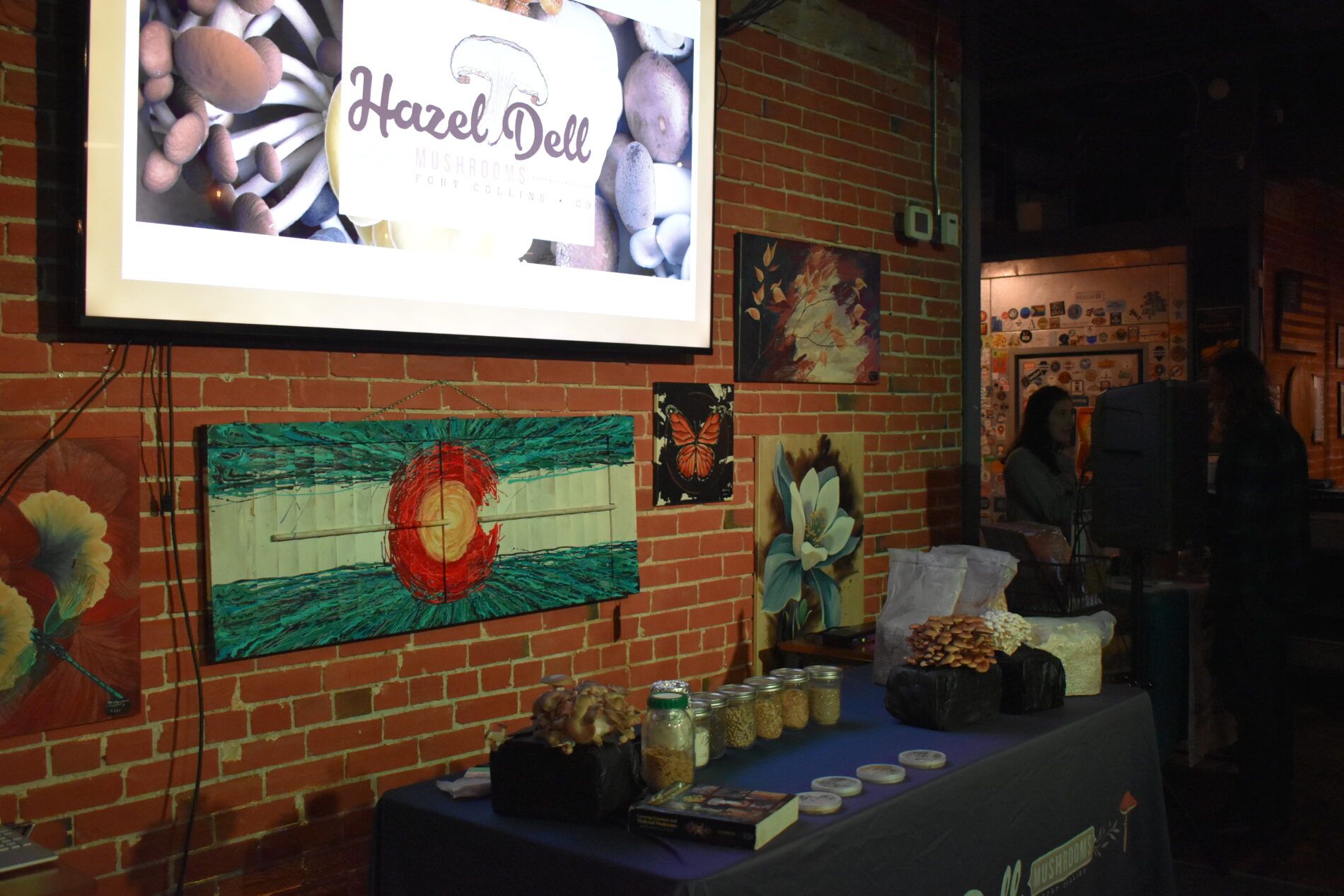
As you’re driving along E County Road 32 in Fort Collins, across from Fossil Creek Reservoir Natural Area, you’ll see a sign for “mushroom farm.” You’ve just passed Hazel Dell Mushrooms, a local Northern Colorado business since 1995.
Started by Jim Hammond in 1980 in Watsonville, California, the operation was moved to Fort Collins, Colorado in 1995. Hazel Dell quickly became a premier grower of exotic mushrooms on the front range.
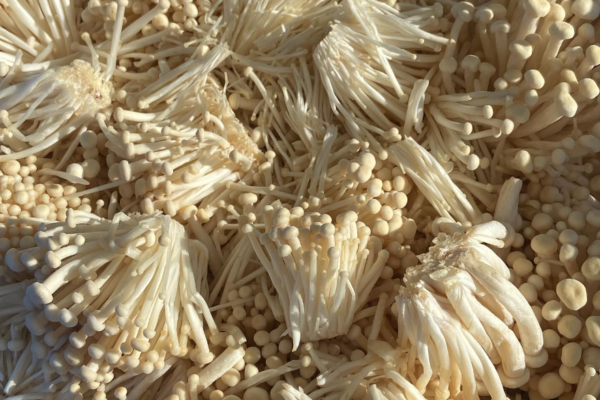
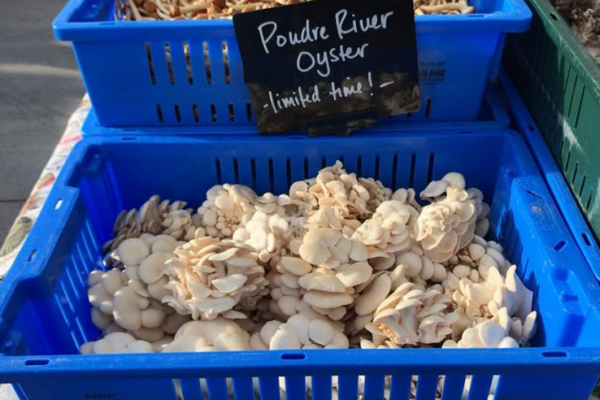
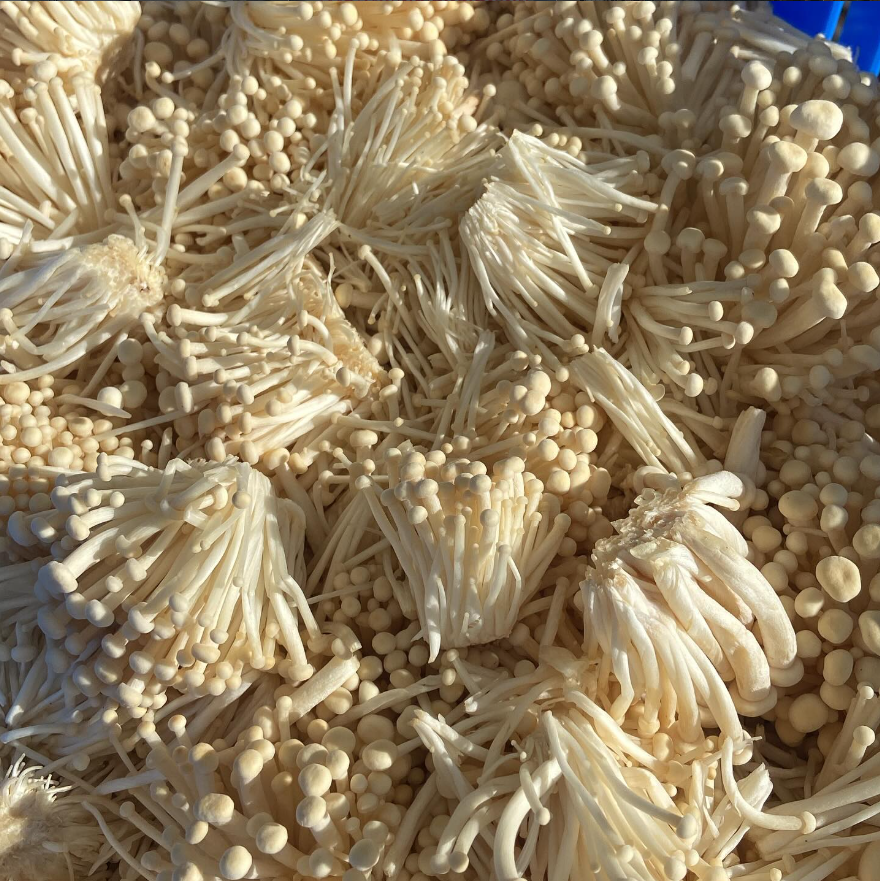
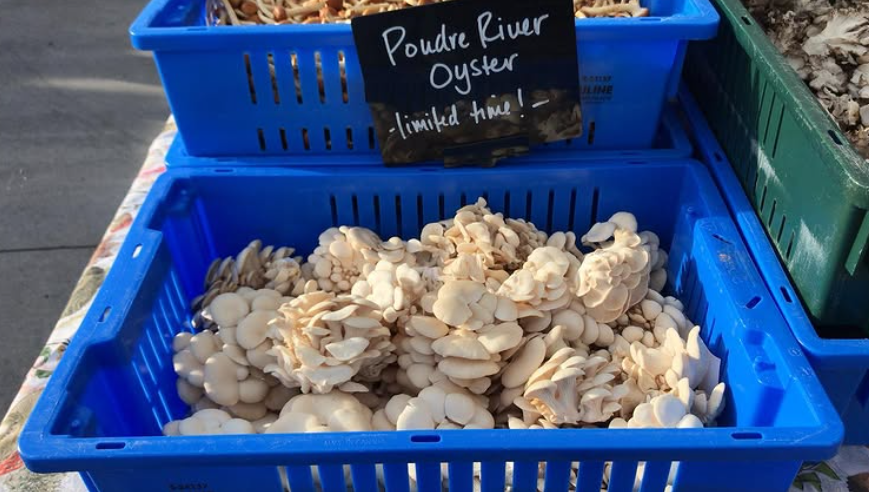
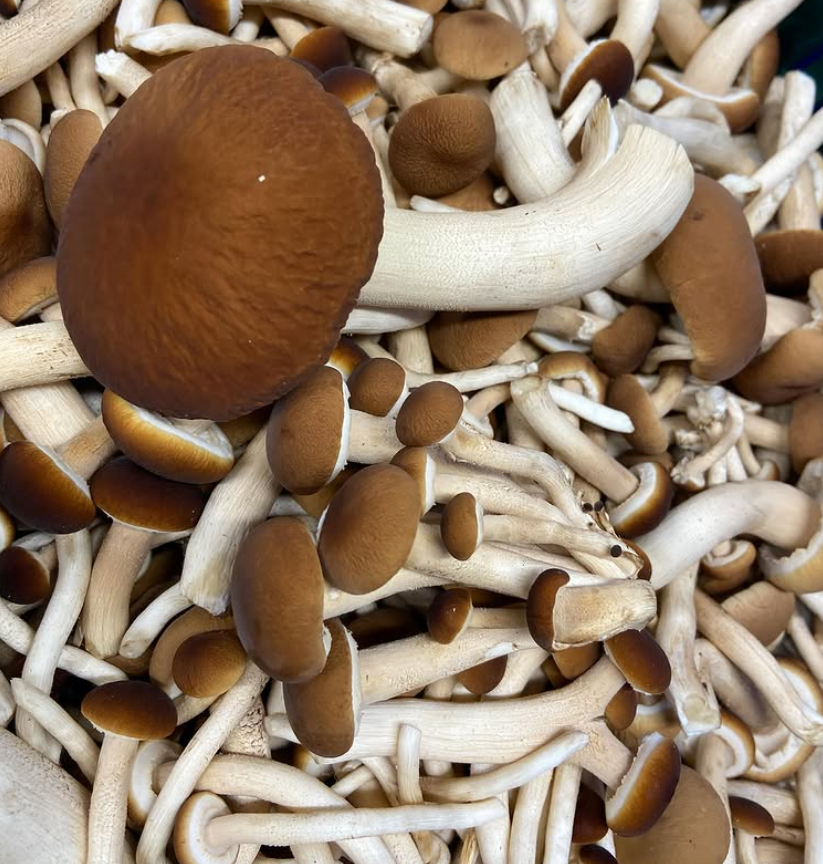
The farm is currently family owned and operated by Jared Scherger and Lucinda Womack (and farm dog Rue). Since acquiring the business in 2020, they have continued to grow the operation and are proud purveyors of the best organic mushrooms around. They grow a wide variety of mushrooms including black pearl, lion’s mane, shiitake, cremini, oyster, and more.

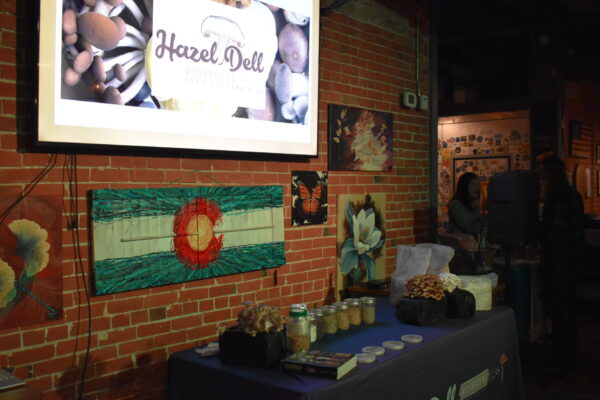
In January 2026, the Cache la Poudre National Heritage Area was lucky to partner with them for a Poudre Pub Talk at Salt Road Brewing. Over 130 people gathered to dive deep into the fascinating world of mushrooms. Naturally, there were more questions than time allowed. To ensure all curious minds were fulfilled, we’ve compiled a Q&A that addresses audience questions and more.
Q&A with Hazel Dell Mushrooms

”"Every mushroom starts at a cellular level."
Q: Why do mushrooms matter?
A: “Without fungus, the planet wouldn’t function as it does today. Fungi reveal the connective tissue of our world—breaking down materials, supporting ecosystems, and reminding us how interconnected we all are.”
Q: What is the process and stages of growing mushrooms?
A: “We follow the whole process from the petri dish to (nearly) the plate. It starts with cloning choice specimens grown in agar in the lap and inoculating special grow bags filled with sterilized medium with mushroom mycelium. From there, the bags are incubated and then moved into special temperature and humidity-controlled rooms where they are harvested with care. The process takes anywhere from 6 weeks to 4 months depending on the variety. We grow approximately 4000-6000 pounds a week and sell to a variety of grocery stores, restaurants, distributors and direct to the public. The only thing we don’t do is cook them from you.”
Q: What do you recommend as a starting point for home gardeners?
A: “In our climate it is very difficult to grow mushrooms outdoors. The home enthusiast can grow indoors with prepared ready to fruit bags as long as they are able to control temperature (60-70 degrees typically) and the humidity (80-90%). It is possible to inoculate your own medium at home but this requires additional measures to control contamination, which is beyond most hobbyists expertise.
Q: Can a homeowner source spores?
A: “Yes, although typically the home grower will buy a liquid culture containing spores and use this to inoculate specialized sterilized or pasteurized media. Most will buy previously inoculated, ready-to-fruit bags. There are many businesses to source spores from online. Field and Forest Products and North Spore are two sources we recommend.”
Q: What substrate mix do you recommend?
A: “This is very variety specific. We grow wood decomposers and use primarily a medium composed of hardwood sawdust with additional nutrition in the form of wheat bran or soy mixed in. Many home growers or hobbyists use a “masters mix” or pasteurized straw.”
Q: What happens to the spent substrate?
A: “Spent mushroom substrate doesn’t go to waste—it’s sold as a byproduct and continues breaking down for a year or two, returning nutrients back to the soil. Mother Nature is amazing like that.”
Q: What are the differences in growing needs between lion’s mane, shiitake, and maitake?
A: “Most species have a slight variation in nutritional as well as environmental needs. Shiitake tend to need a bit less supplementation and require an incubation time of three months. Lion’s mane and maitake grow faster but require more supplementation. Buildup of carbon dioxide is also something to watch very closely.”
Q: Any other tips for growing mushrooms at home?
A: “Cleanliness is critical for growing at home. If you do not wish to spend a lot of money on setup, we recommend ready to fruit grow kits or sterile medium bags with inoculation ports. Paul Stamets book, Growing Gourmet and Medicinal Mushrooms, is an excellent resource which we highly recommend.”

Q: Can you forage for mushrooms in Northern Colorado? Any tips?
A: “We love foraging for mushrooms in Northern Colorado! Although the payoff is not always as good as found in wetter parts of the country. Our favorites are blond morels in the spring near front range water ways and king boletes and chanterelles in late season in the high country. While they can be found with a bit of work and knowledge it is important to understand that we are home to poisonous varieties as well and we always recommend seeking the guidance of someone experienced in the region. But that is no reason to be intimidated, there are great resources out there including local mycology clubs, educators and mushroom festivals.”
Q: Have you tried developing your own strain? During the pub talk you mentioned finding out you were using a specific strain named after someone?
A: “Yes, we have tissue cultured our local species of oyster mushrooms and have successfully been growing them at Hazel Dell. Another species of oyster mushrooms we have grown for many years we believe was named after our founder, Jim Hammond.”
Q: How do you know the difference between edible mushrooms vs dangerous mushrooms?
A: “Getting a good guidebook and an experienced person helps decrease the odds of accidentally foraging a poisonous species but forage at your own risk.”
Q: Are you growing psychedelic mushrooms for therapeutic use?
A: “We only grow culinary mushrooms and don’t intend to change our operation but we follow the evolving science with interest.”
Q: Do you offer tours and field trips on your farm?
A: “We are not currently offering tours but are considering an annual open house in the future. Stay tuned!”
Q: Do you ever need volunteers?
A: “We are lucky to be fully staffed with some of the best employees around.”

Q: Do you offer tours and field trips on your farm?
A: “We are not currently offering tours but are considering an annual open house in the future. Stay tuned!”
Q: What do you see for the future of Hazel Dell?
A: “We hope to continue to grow with the mushroom industry for some time while continuing to have fun and supporting our community in the process.”
Q: What is your favorite mushroom and why?
A: “It depends what’s on the menu! If forced, I’d have to say shiitake. It has a robust flavor, is extremely versatile and one of the ones that Hazel Dell does best!”
”“We can’t exist without the ecosystem around us, and fungi are an incredible part of it,” Jared Scherger.
Fungi-Facts & More
You can purchase Hazel Dell Mushrooms directly from the farm. They can also be found at local farmers’ markets, purchased at grocery stores (like Whole Foods and Natural Grocers) or online.
If you don’t feel like cooking, many local restaurants use their mushrooms as a seasonal feature. Recently, they were spotted on the menu at PizzaVino Noco Italiano.
Ideas for How to Use Your Mushrooms: Add them to pizza, pasta, soups, stir-fry, risotto and more.
Tip: Make sure to always cook your mushrooms. The cooking process breaks down the chitin cell walls, helping your body absorb the nutrients.
Fungi-Fact: Mushrooms support immunity, act as prebiotics for gut health, and according to research, potentially reduce cancer risk (especially shiitake).
Fungi-Fact: The hardest part about growing mushrooms at home is maintaining an extremely sterile environment.
Fungi-Fact: Hazel Dell Mushrooms produces up to 2,000 grow bags per day – it takes a semi load of sawdust every two weeks to keep up!